
Last updated October 16, 2026
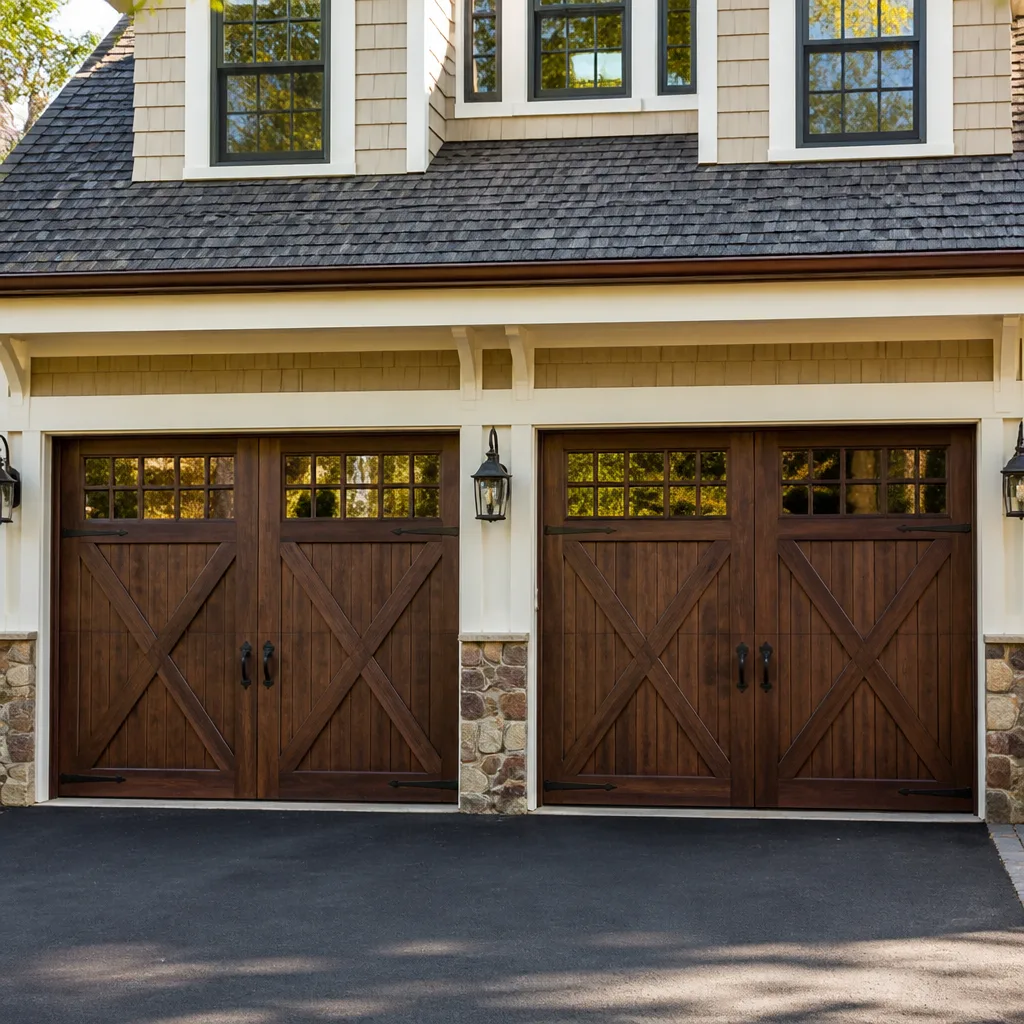 Carriage house
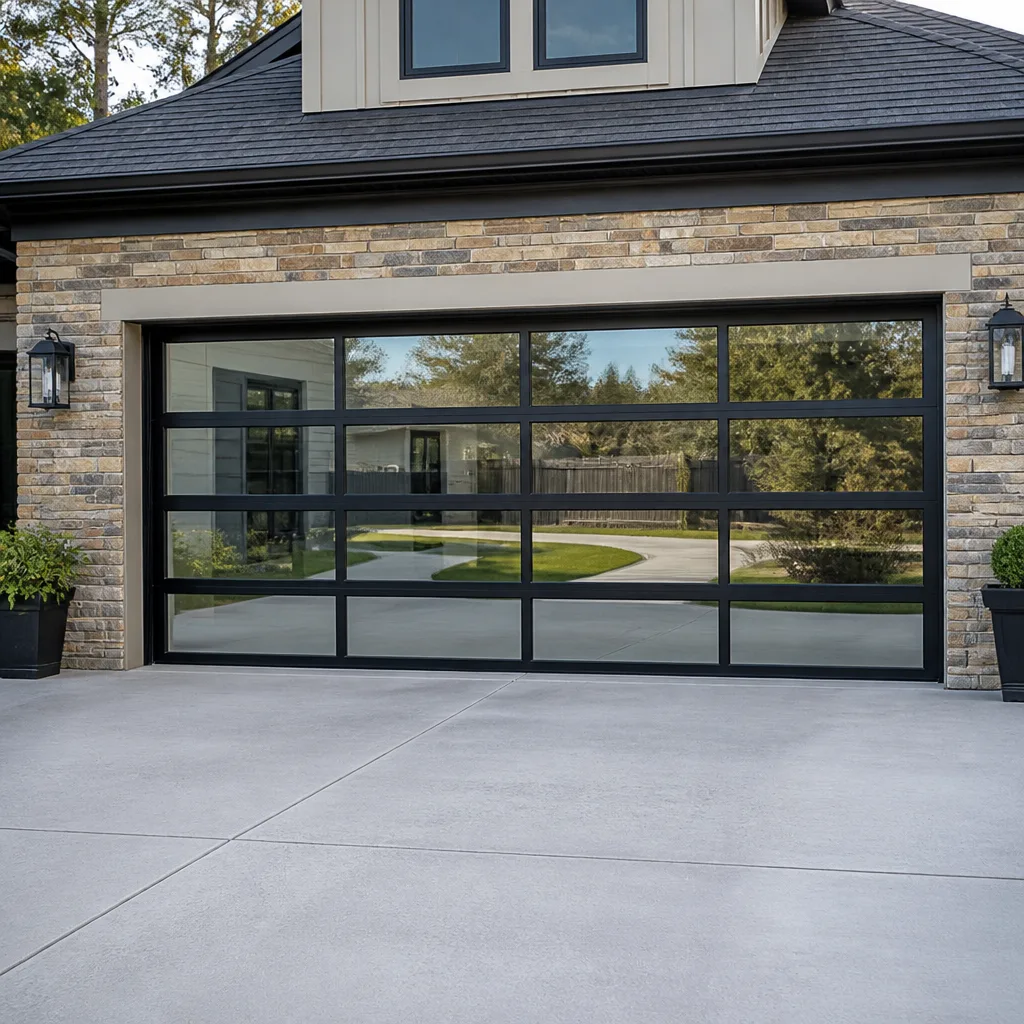 Full-view glass
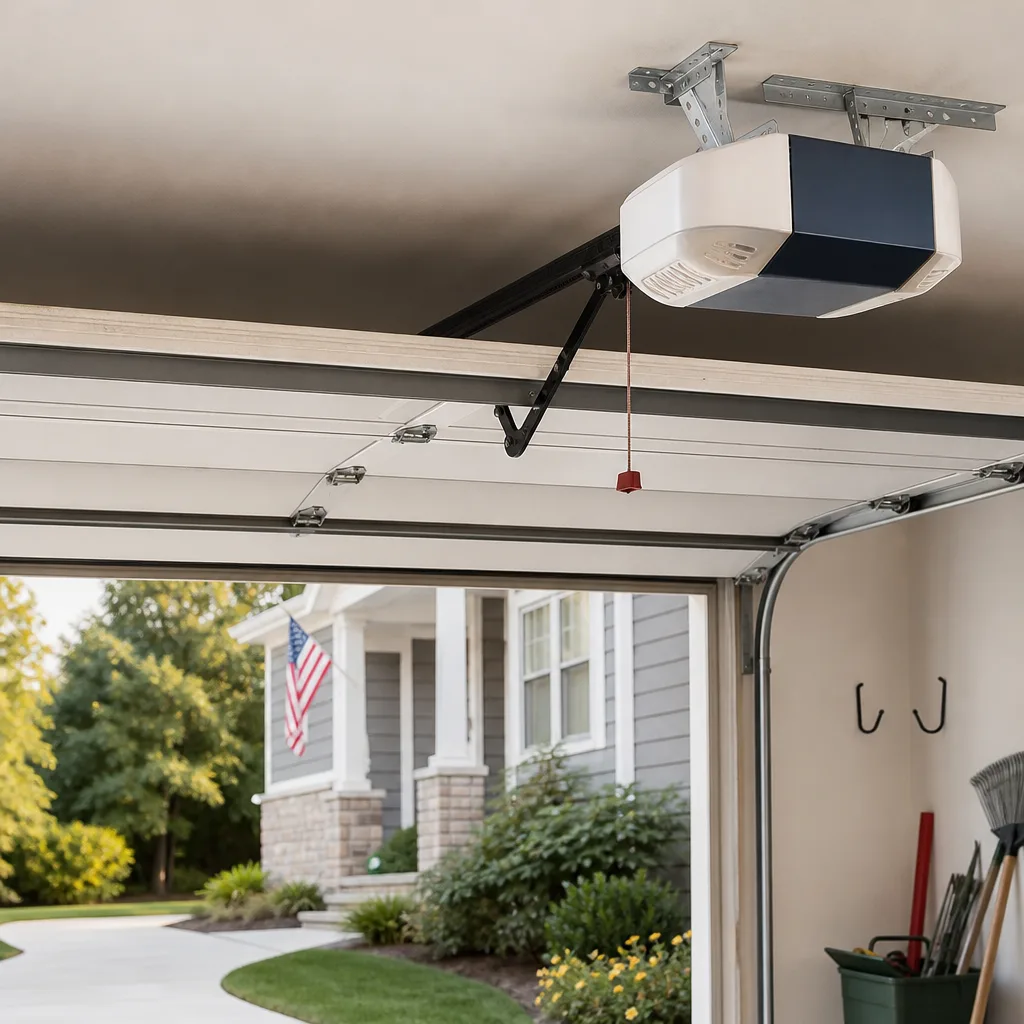 Chamberlain openers
Full 25-point door and opener safety check with every visit - springs, cables, rollers, tracks, and your LiftMaster or Chamberlain opener included
You get a price before we start. It does not change when the truck arrives.
Get your free estimateThe Complete Guide to Garage Door in Dallas
Dallas has more registered garage door companies per capita than Seattle, Portland, and Denver combined. Yet the metropolitan area also carries some of the highest re-repair rates in the Sun Belt, which tells you something uncomfortable about how this industry actually works. More options have not meant better outcomes. This guide walks you through every decision a Dallas homeowner will face across the life of a garage door, from understanding how the system works to knowing when repair stops making sense. For DIY vs Professional Garage Door: The Dallas Homeowner’s Decision Guide and more, keep reading. You’ll learn what actually fails, what it should cost, and how to read a quote without getting burned.
Quick Answer: A garage door in Dallas is a mechanical system, not a single part, and its weakest links are predictable: torsion springs that fail early from heat cycling, tracks that shift when clay soil moves, and openers that die from power surges or stripped gears. Most repairs cost between $150 and $400, replacement doors run $1,000 to $4,000 depending on material and insulation, and the single most protective decision you can make is choosing a company that puts a written price and a written guarantee in front of you before any wrench turns.
Styles & brands we work with
Table of Contents
- The Anatomy of a Dallas Garage Door System
- Why Dallas Specifically Breaks Garage Doors
- Torsion Springs: The Part That Fails First
- What Garage Door Repair Actually Costs in Dallas
- How to Read a Garage Door Quote Line by Line
- Repair or Replace: A Decision Matrix for Dallas Homeowners
- Maintenance That Actually Extends Door Life
- Common Mistakes to Avoid
- When to Call a Professional
- Frequently Asked Questions
The Anatomy of a Dallas Garage Door System
Most people think of a garage door as one thing: a big panel that goes up and down. It isn’t. A sectional door is a chain of connected components, and when one link in that chain fails, the whole system stops working. Understanding how the pieces fit together is the difference between fixing a $35 hinge and replacing a $1,200 opener you didn’t need.
Here’s how the system works, in the order parts actually fail:
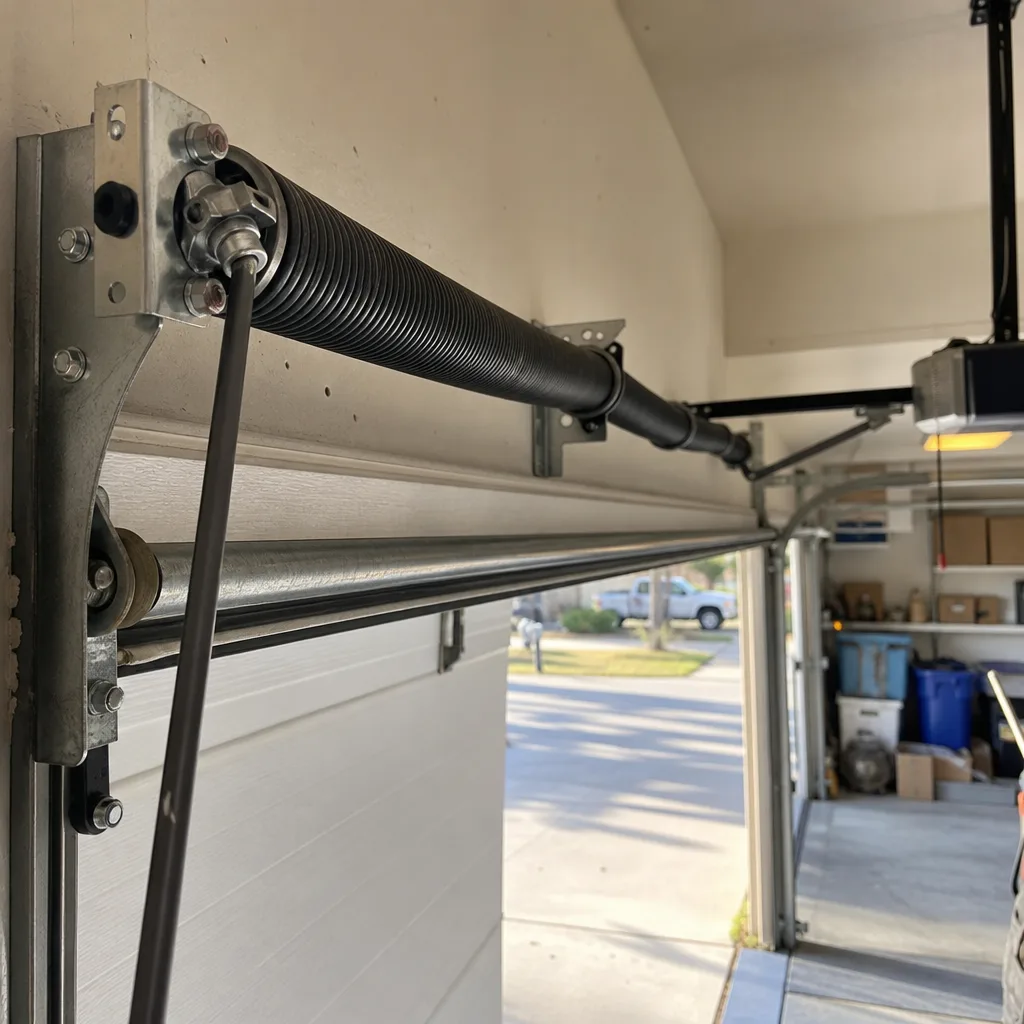
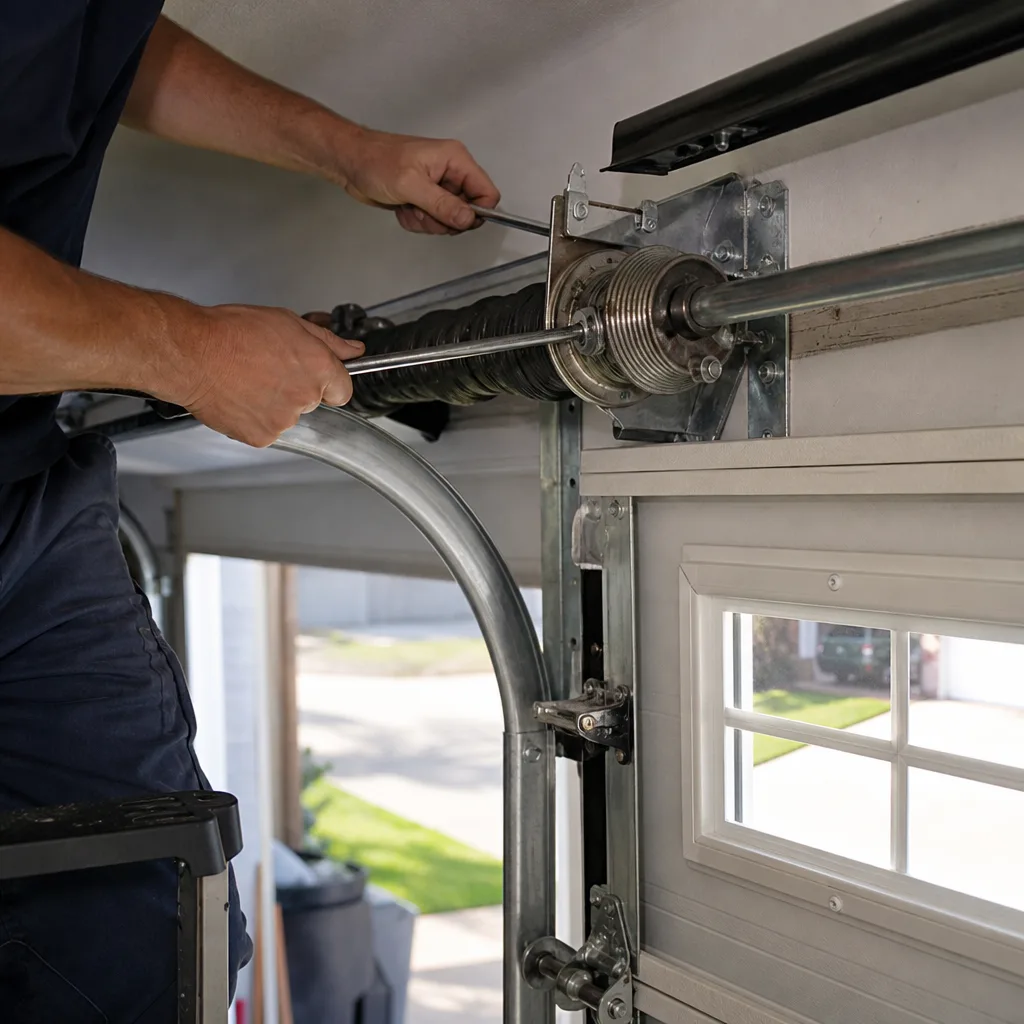
- Torsion spring – the heavy coil mounted on a shaft above the closed door. It counterbalances most of the door’s weight, which is why you can lift a 150-pound door with one hand. Without it, the opener motor is trying to dead-lift the full weight.
- Cables – aircraft-grade steel wires that run from the bottom brackets up to the spring shaft. They transfer the spring’s lifting force to the door. When a spring snaps, cables often whip or fray.
- Rollers – small wheels, usually steel or nylon, that ride inside the vertical and horizontal tracks. Worn rollers cause scraping, jerking, and extra load on the motor.
- Hinges – the metal joints that let panels bend as the door rounds the curve of the track. A seized hinge concentrates stress on a single panel edge.
- Panels – the visible face of the door, typically steel, aluminum, or wood composite. They’re structural, not cosmetic: a dented bottom panel can throw off weight distribution.
- Tracks – the guide rails bolted to the wall and ceiling. They must stay parallel, plumb, and aligned within about a quarter-inch tolerance.
- Opener – the motor unit on the ceiling that pulls a trolley along a rail. It’s the part most often blamed for failures caused by something else entirely.
In our experience across Dallas, we see the same sequence play out repeatedly. A spring weakens, the door gets heavy, the opener strains, and the homeowner calls about a dead motor when the real problem was a $200 spring replacement six months earlier. When a technician says “your opener’s burned out,” the question worth asking is why it burned out.
Why Dallas Specifically Breaks Garage Doors
National garage door guides miss the local forces that make Dallas failures different. Three factors do most of the damage.
Clay soil movement. Much of North Texas sits on expansive clay, particularly the Blackland Prairie band running through Dallas County. This soil swells when wet and shrinks when dry, sometimes moving several inches over a season. Foundations shift with it. When a slab moves, the garage door tracks bolted to the garage walls and ceiling can shift too, gradually pulling out of parallel. The first sign is almost always a door that scrapes on one side or a gap where the door meets the floor on the other. National maintenance guides rarely mention this, because in most of the country the ground stays put. In Dallas, track realignment is a routine repair, not an exotic one.
Extreme heat cycling. Dallas routinely sees thirty or more days above 100°F, and black steel doors in direct west-facing sun can reach surface temperatures well above 150°F. Torsion springs are rated in cycles, one full open-and-close. A standard 10,000-cycle spring in a mild climate might last seven to ten years. The same spring in Dallas, where heat accelerates metal fatigue and grease breaks down faster, often lasts five to seven. This is why we tell Dallas homeowners considering spring replacement to ask about cycle rating: a 20,000-cycle spring costs maybe $30 more in parts and can double the useful life.
Power surges and lightning. Dallas is in the middle of a high-frequency lightning region, and summer storms roll through with regularity. Garage door opener circuit boards are sensitive to voltage spikes, even when nothing gets directly struck. A surge that doesn’t touch your television can still fry a logic board in the opener. If your opener dies right after a storm, check whether the wall button still lights up and whether the motor hums at all. Frequently it’s the board, and in many cases the repair is straightforward for a technician carrying the right control board on the truck.
The takeaway is simple: in Dallas, your garage door is fighting the ground it’s bolted to, the heat it lives in, and the storms that roll through. A maintenance routine and a repair company that knows these failure patterns matters more here than it would in a milder market.
Torsion Springs: The Part That Fails First
Torsion springs fail before anything else on a Dallas garage door. In most cases, a spring that snaps does so without warning, usually while the door is closed. You’ll hear it from inside the house as a loud crack, like someone swung a hammer into the wall.
Here’s what to understand about spring failure and replacement:
- Springs are rated in cycles, not years. A cycle is one open and one close. A 10,000-cycle spring is the industry’s standard baseline, and it is adequate for most homes. But a door used four times a day will hit 10,000 cycles in about seven years in a mild climate, and sooner in Dallas heat. If you want a longer service life, ask your technician for a higher-cycle spring.
- What a spring replacement should cost in Dallas. Most torsion spring replacements run $150 to $300, parts and labor included, for a standard two-spring system on a single residential door. Higher-cycle springs push toward the upper end of that range. Some companies quote below $100 to get the truck in the driveway and then add costs for bearings, cables, or “tune-ups” the door didn’t need.
- If one spring breaks, replace both. Garage doors use two springs working together, each carrying half the load. When one breaks, the other has been through the same number of cycles and is near the end of its own life. Replacing only the broken spring saves $80 to $120 today and virtually guarantees a second service call inside a year. Every experienced Dallas technician knows this, and any company that strongly resists replacing both is making a short-term sale at your long-term expense.
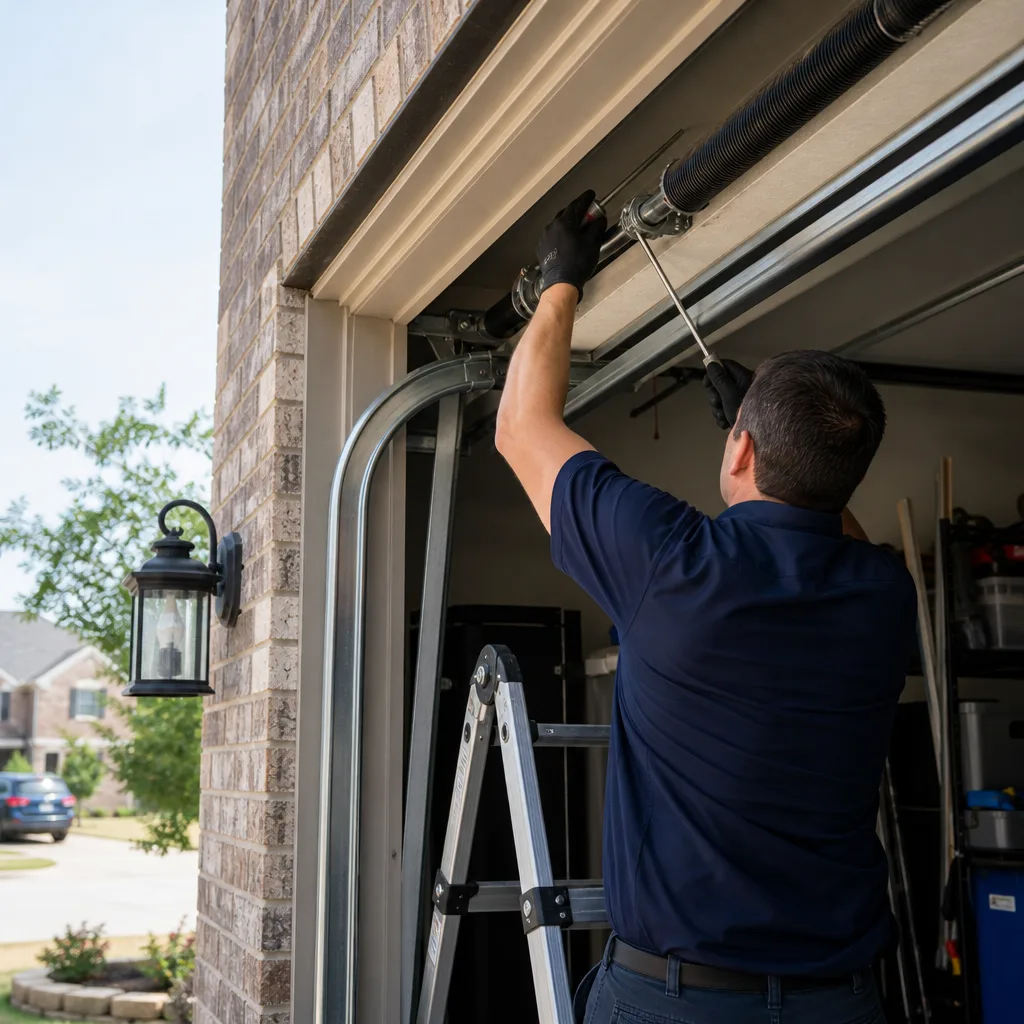
- Never attempt a spring repair yourself. A torsion spring stores enough energy to break bone or worse when it lets go. The winding process requires special bars, exact tension settings, and a hands-on respect for how quickly stored energy releases. This is one of the few home repairs where the cost of hiring a professional is genuinely cheap compared to the risk of doing it wrong. Watch a pro do it once and you’ll never want to touch one.
The good news is that spring replacement is quick. An experienced technician with the right springs on the truck can usually have a door running again in under an hour, and the difference between the old spring and the new one is immediately obvious. The door opens smoothly, doesn’t shake, and balances at chest height when you test it with the opener disconnected. A balanced door is a healthy door.
What Garage Door Repair Actually Costs in Dallas
Garage door repair pricing in Dallas isn’t a mystery, and anyone who treats it like one is probably hoping you won’t ask too many questions. For a deeper look at what drives these numbers, see our Garage Door Cost Breakdown: The Dallas Homeowner’s Reference for 2026. Here are the ranges we see across the market for common repairs, with honest expectations for what should be included.
| Repair Type | Typical Dallas Range | What Should Be Included |
|---|---|---|
| Torsion spring replacement (both springs) | $150 – $300 | Parts, labor, full door balance, safety check |
| Single spring (not recommended) | $90 – $180 | Parts, labor, balance on the remaining spring |
| Cable replacement (both sides) | $120 – $220 | Parts, labor, drum reset, track check |
| Roller replacement (all rollers, nylon) | $100 – $180 | Parts, labor, track cleaning, noise check |
| Garage door opener replacement | $350 – $700 | New motor unit, labor, remote remotes, safety sensors |
| Track realignment | $100 – $250 | Bracket adjustments, door balance, travel limit reset |
| Panel replacement (single panel) | $200 – $600 | Matched panel, hardware transfer, seal check |
| Full door replacement (installed) | $1,000 – $4,000+ | Door, tracks, springs, installation, old door haul-away |
A few notes on reading these numbers. They’re mid-market Dallas pricing from established companies that carry insurance, run background checks, and stand behind the work. You’ll always find a Craigslist operator quoting below them, and you’ll always find a big franchise quoting above. Neither extreme is where the value lives.
Also understand what “service call” means. Some Dallas companies charge a $29 to $89 trip fee that gets credited toward the repair if you approve the work, but is non-refundable if you don’t. Others roll the trip cost into the first hour of labor. At Bramwell Garage Doors Dallas home, the model is different: we provide a written price for the repair itself, everything included, and you know that number before any work starts. No trip-fee arithmetic, no “let me call the office” surprises. Just a price on paper.
One more Dallas-specific reality: the market here is fragmented across a huge contractor base, and pricing varies wildly between zip codes. A spring replacement in Preston Hollow may run $30 to $50 more than the same job in Mesquite for no reason other than the company’s overhead. That doesn’t mean the higher price is a rip-off, and it doesn’t mean the lower price is a bargain. It means you should get a written number and compare it to the table above. If someone quotes $700 for a two-spring replacement, they’re not offering a premium product. They’re applying a premium markup.
How to Read a Garage Door Quote Line by Line
Most homeowners see a repair quote as a single number with some words above it. That’s exactly how you get surprised. Every line on a garage door quote is either a real cost, a padded cost, or a finger-in-the-air estimate, and knowing which is which changes what you pay.
Here’s what the standard line items actually mean, in order of where the money usually goes:
- Parts. This should be a specific item: “torsion spring, 207 x 2” or “nylon roller, 11-ball bearing, set of 10.” If the line just says “parts” with a number next to it, that’s a red flag. A serious company itemizes. The parts themselves are not the expensive part of most repairs. A 10,000-cycle torsion spring costs a wholesaler under $40. Your money is paying for someone who has twenty of them on the truck and knows how to install one safely.
- Labor. This is the line that varies most between companies, ranging from $75 to $150 per hour in Dallas. A spring replacement typically takes 45 to 90 minutes. An opener replacement takes two hours. If labor on a spring repair shows three hours, that’s padding, plain and simple.
- Service call / trip charge. Some companies break this out as a flat $29 to $89. Others fold it into the first-hour labor. What matters is only that the number is disclosed before the truck rolls, and that you know whether it’s credited toward the repair.
- Parts markup. Every company marks up parts. Standard industry markup is 100% to 200% over cost. A $40 spring becomes a $80 to $120 line item. That’s not a scam. It covers inventory, the truck it rode in on, and the warranty on the part. What is a problem is a “parts” line that’s vague: if you can’t tell what part you’re buying, you can’t compare quotes.
- “Tune-up” or “adjustment” lines. These are legitimate if the work is real: lubricating rollers, tightening bolts, adjusting limit switches. They’re not legitimate when they’re a $60 line item for something the tech does in four minutes on the way to the real repair. Ask what the tune-up includes, specifically.
- “Recommendations” and “optional” items. A good quote separates required repairs from recommended upgrades. If the quote lists new rollers, new hinges, and a new bottom seal as “required” when the visible issue is a broken spring, that’s an upsell. Legitimate upgrade suggestions should be clearly optional with separate prices.
The most important question isn’t “what does it cost” but “what does the final invoice look like.” A written quote given before the work begins should match the invoice at the end, dollar for dollar. At Bramwell Garage Doors Dallas, the price you see on the written estimate is the price on the invoice. It’s the Kingswell standard: the number doesn’t change because the tech got a look at your house, your neighborhood, or your watch.
Repair or Replace: A Decision Matrix for Dallas Homeowners
Every door reaches a point where continuing to repair it is the wrong math. The question is knowing where that point is, and it isn’t the same for every door. Here’s the decision framework we use when Dallas homeowners ask us for an honest recommendation, and it’s the same one we’d give a neighbor.
Consider repair when:
- The door is under 15 years old.
- The problem is a single component: a spring, a cable, a roller set, an opener.
- The panels are straight, the paint isn’t peeling extensively, and the door sits flush when closed.
- Total repair cost is under $500.
- You don’t plan to sell the house in the next two years.
Consider replacement when:
- The door is 20 years old or older and you’re facing the second or third major repair in five years.
- Multiple panels are dented, rusted, or separating at the seams.
- The bottom panel is rotted or dented enough that it compromises the seal.
- You’ve already replaced the spring once and the door still runs poorly.
- Insulation matters to you, and the current door is an uninsulated steel skin over a sun-baked Dallas garage.
The honest cost threshold. As a rule of thumb, if a single repair costs more than 50% of a new door installed, replace the door. A $1,200 door that needs a $700 spring-and-panel combination repair is usually better off replaced with a new unit that carries a new warranty, fresh springs with a higher cycle rating, and modern insulation. Conversely, a $2,500 door that needs a $250 spring replacement is a straightforward fix. The math isn’t complicated once you look at it cold.
One Dallas-specific factor: home resale. A dented, noisy, outdated garage door is one of the first things a buyer notices, and in a Dallas market where houses move fast, curb appeal drives offers. A new insulated steel door typically returns the majority of its cost in improved curb appeal and buyer confidence, even before you account for the energy savings in a garage that hits 110°F in August. If you’re listing in the next eighteen months, the replacement case gets stronger even if the door still technically works.
For a detailed look at replacement options for your specific setup, see our guide to Garage Door Installation in Dallas, which covers materials, insulation ratings, and what to expect from a professional install.
Maintenance That Actually Extends Door Life
Garage door maintenance is one of those things everyone knows they should do and almost no one does. The good news is that effective maintenance is boring, quick, and cheap, and the things that matter most are the things you can see and hear.
Here is the maintenance routine that actually moves the needle on door lifespan in Dallas, in order of importance:
- Annual spring and balance check. Once a year, disconnect the opener (pull the red release cord) and lift the door manually. It should rise smoothly and stay put about chest height without drifting up or down. If it drops, the springs are weakening. If it shoots up, they’re over-wound. Either way, call before something fails. Most Garage Door Spring Repair in Dallas calls we handle start as a balance check we wish had happened six months earlier.
- Lubricate the moving parts. Twice a year, spray a silicone-based lubricant on the rollers, hinges, and the spring itself. Don’t use WD-40, which is a cleaner, not a lubricant. A $8 can of proper garage door lubricant from any Dallas hardware store is the highest-value maintenance item you’ll ever buy.
- Clean and check the tracks. The tracks don’t need grease, but they do need to be free of debris and roughly parallel. Use a level once a year to check that both vertical tracks are plumb. If one is leaning, it’s usually a symptom of soil movement, and a realignment now beats a roller replacement later.
- Test the safety reverse. Put a roll of paper towels or a 2×4 on the floor under the door and close it. The door should reverse within a second or two of contact. If it doesn’t, the opener’s force setting is dangerous, especially with kids or pets in the house. This is a one-minute test that can prevent a serious injury.
- Check the weather seal. The rubber strip along the bottom of the door keeps out rain, dust, and Dallas’s legendary June bugs. When it’s cracked or missing, your garage gets dirtier, your air conditioning works harder, and critters find a new home. Replacing a bottom seal usually costs $80 to $150 installed.
None of this requires special tools or more than ten minutes a season. What it does require is actually doing it. Homeowners who follow this routine consistently get an extra three to five years out of their springs and avoid roughly a third of the repair calls we make in Dallas. The doors that fail spectacularly are almost always the ones that went unopened and uninspected for years.
Common Mistakes to Avoid
- Calling the first company in a Google ad without checking whether it’s actually local. Many of the ads at the top of Dallas garage door searches belong to out-of-state lead generators that sell your job to the cheapest bidder. Look for a real Dallas address, a real phone number answered by a person, and a company that has existed for more than a few months.
- Approving a repair over the phone without a written quote. In Dallas, the price quoted on the phone is a starting point, not a promise. Any legitimate company can put the real number in writing once the tech sees the door, and the Kingswell standard is that the written number is the number you pay. If a tech starts work before you’ve seen a price, stop them.
- Replacing only one spring when two are worn. This saves a small amount today and guarantees another call inside a year. Both springs have the same cycle count. Replacing both is the honest fix.
- Ignoring track alignment until the door won’t close. Dallas clay soil shifts foundations, and the first casualty is often the garage door tracks. A scraping door or a widening gap at the floor is your warning sign. Fixing alignment early is cheap. Waiting until the door jams is not.
- Buying the cheapest opener on the shelf at a big-box store. A $130 opener from a Dallas home center is a motor with a plastic gear and a short life expectancy. A $200 to $300 opener from a reputable brand like Chamberlain or LiftMaster, installed by a technician who sets the travel limits and force settings correctly, lasts twice as long. Cheap openers are false economy.
- Lubricating with the wrong product. WD-40 strips the grease that rollers and hinges need. Use white lithium or silicone garage door lubricant, not whatever’s on the shelf by the checkout.
When to Call a Professional
Some garage door jobs are genuinely safe to handle yourself, like tightening visible bolts or spraying lubricant on accessible hinges. Others are not, and the line between the two matters. Call a professional for anything involving torsion springs, which store enough energy to cause serious injury if they release. Call for cable replacement too, because the cable runs under tension from the same spring system. Track realignment often requires a professional tool and a practiced eye, particularly in Dallas where soil movement means the door may be out of square in two axes at once. Opener replacement is also a job for someone who sets force settings and safety reverse correctly, not just anyone who can read an instruction manual. Most importantly, call when the door won’t balance, grinds, or makes a bang. Those are symptoms of something about to fail, and a diagnosed problem is always cheaper than a broken one. Bramwell Garage Doors Dallas offers free estimates in Dallas, and our Garage Door Repair in Dallas team answers the phone 24 hours a day. Call (361) 240-9428 and describe the symptom, and we’ll tell you what it likely is before we ever send a truck.
Frequently Asked Questions
Most torsion spring replacements in Dallas run $150 to $300 for both springs, parts and labor included, with higher-cycle springs at the upper end of that range. Any company quoting below $100 for a two-spring replacement is either quoting one spring or planning to add costs once the truck is in your driveway. Call (361) 240-9428 for an exact quote on your specific door, and you’ll get a written number before any work starts.
Yes. A spring replacement is one of the fastest repairs in the trade, typically under an hour once the technician is on site. Most experienced Dallas companies carry a full range of common spring sizes on the truck, which is why the job can usually be done in one visit. If you call us before 2 p.m., there’s a strong chance we can have your door working again before dinner.
In Dallas’s extreme heat, a standard 10,000-cycle spring typically lasts five to seven years with normal use, compared to seven to ten in milder climates. Heat accelerates metal fatigue and breaks down the protective lubrication faster. If you want more life out of the next set, ask for a higher-cycle spring, which costs marginally more and often doubles the service life. This is the single best value upgrade in garage door repair.
Not if you’re working with a company that follows the Kingswell standard. The written price you’re given before any work begins is the price on the invoice, dollar for dollar. A company that won’t put the number in writing before starting work is a company that’s keeping its options open. Always ask for the written price, and if the number changes without a clear, legitimate reason, tell the tech to stop.
Yes. Our trucks carry the most common torsion spring sizes, cables, rollers, hinges, and control boards so most repairs can be completed in a single visit. A technician who has to “run back to the shop” on a routine spring replacement either doesn’t stock their truck properly or is creating an excuse to extend the visit. Same-day completed work is the standard, not the exception.
North Texas storms bring lightning and power surges that frequently damage garage door opener circuit boards, even when other electronics in the house survive. The fix is usually a control board replacement, which is often cheaper than replacing the entire opener. If your door stopped responding after a storm, check whether the wall button light is on and whether the motor hums, then call a technician who carries boards for common brands like LiftMaster, Chamberlain, and Genie.
The Bottom Line
A garage door in Dallas is a mechanical system that fights the local climate every day it exists: clay soil shifting the tracks out of alignment, triple-digit heat cycling the springs into early fatigue, and summer storms taking out opener electronics. The homeowners who get the most value understand this system, maintain it cheaply and consistently, and choose a repair company that writes the price down before touching a tool. When a repair is recommended, ask why the part failed, not just what it costs. When a quote is given, get it on paper. And when the door finally reaches the point where repair no longer makes sense, replace it with something insulated, properly balanced, and installed by a team that puts its promise in writing. That’s the whole game.
Written by Marcus Ellery, Owner at Bramwell Garage Doors Dallas, serving Dallas since 2001.
See the difference
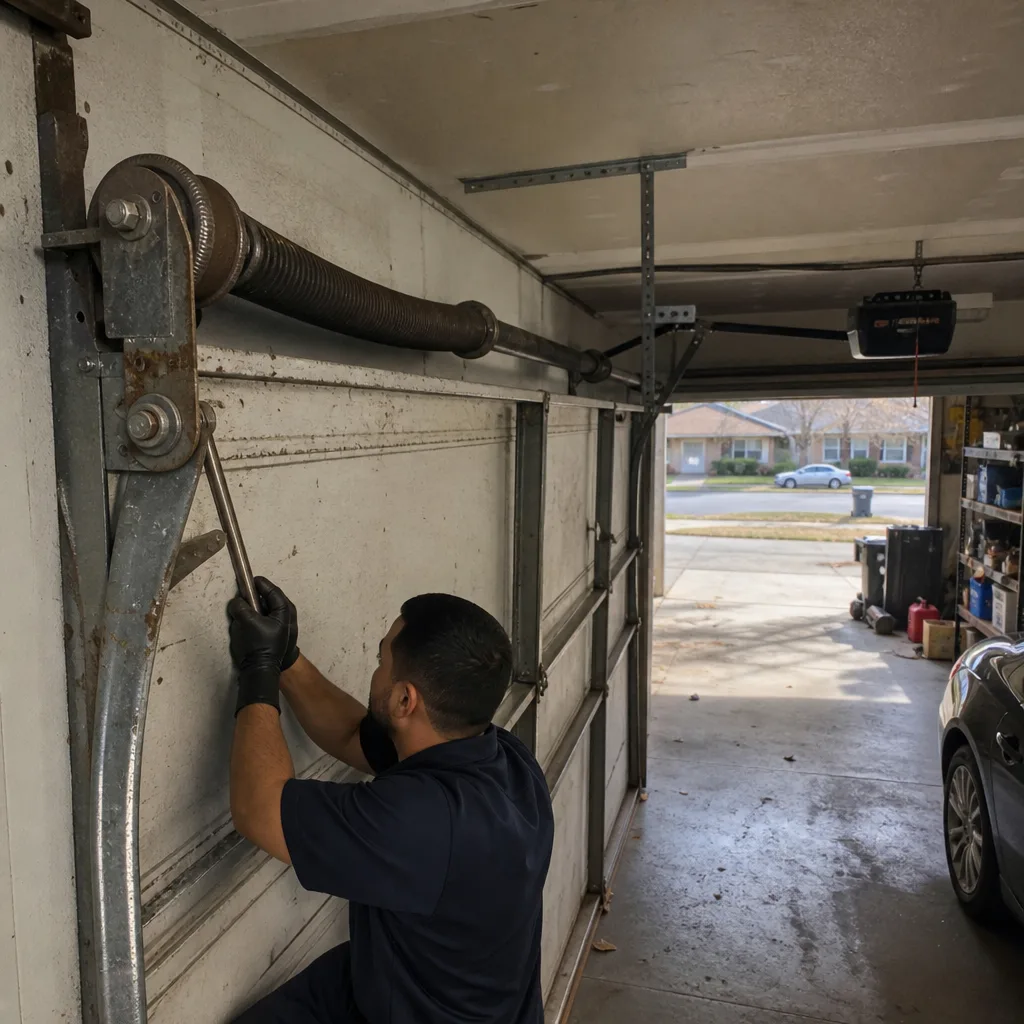 Before
 After
After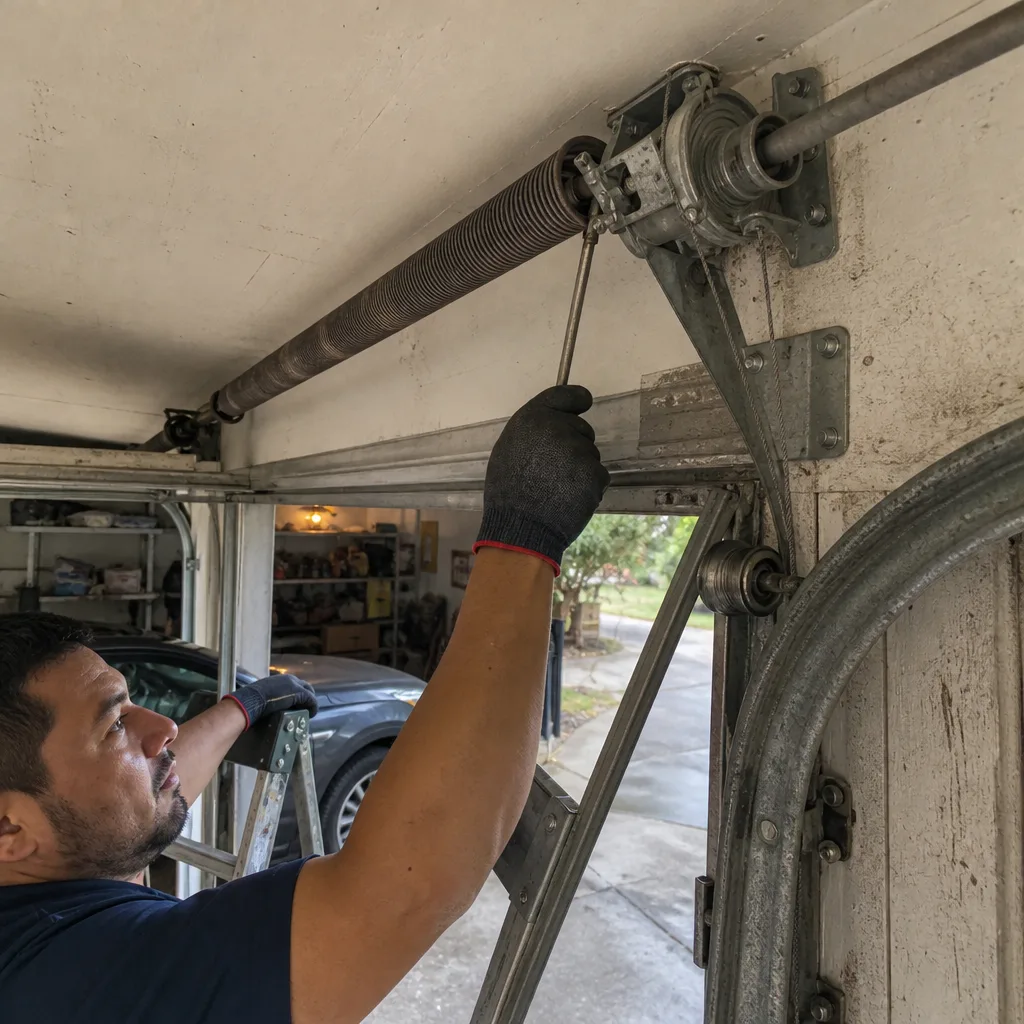 Before
 After
After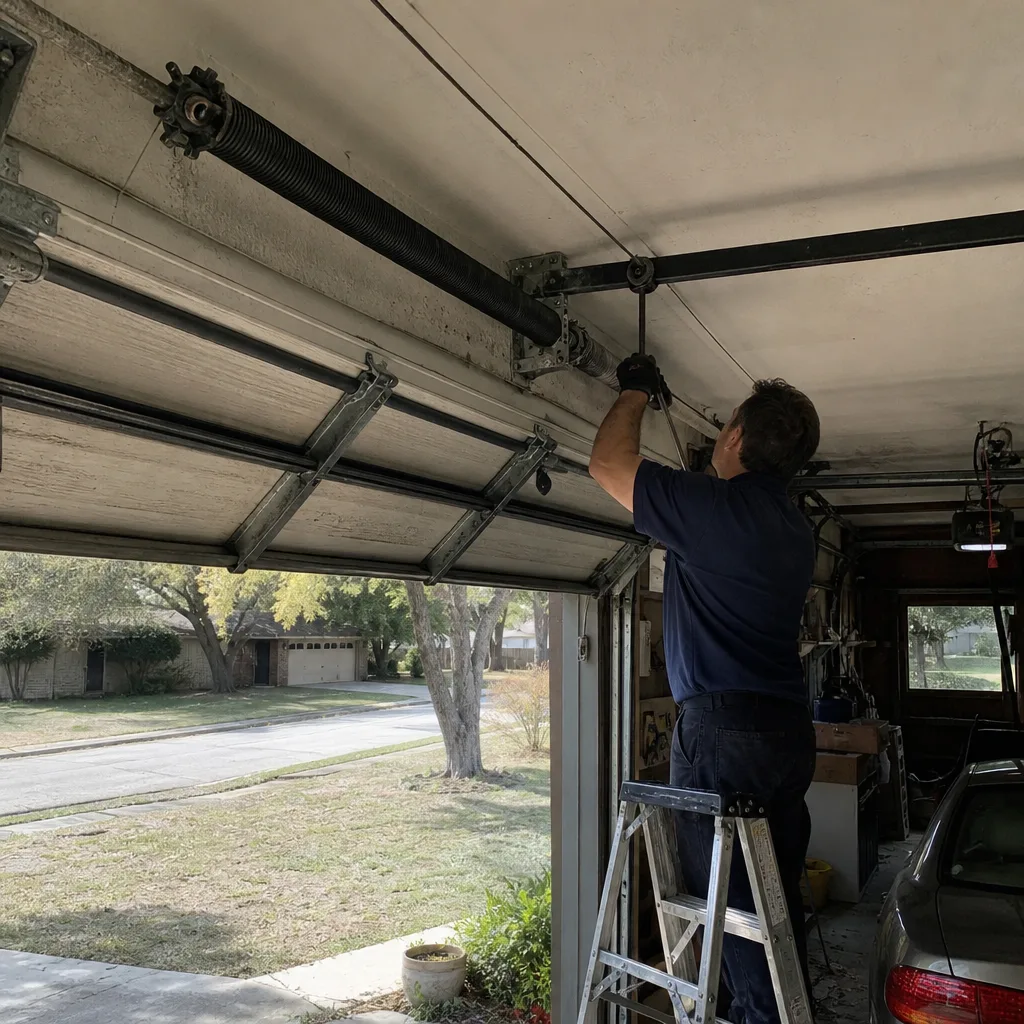 Before
 After
After