
Last updated October 16, 2026
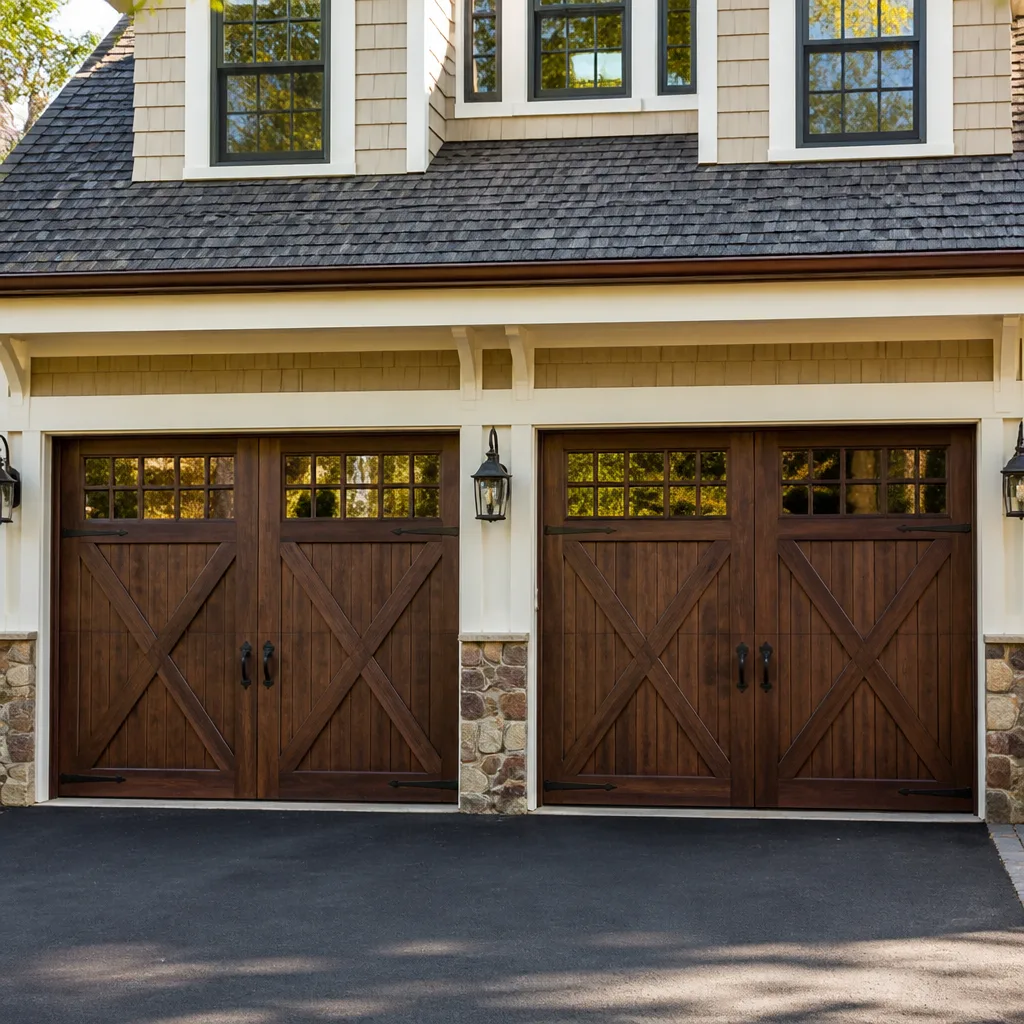 Carriage house
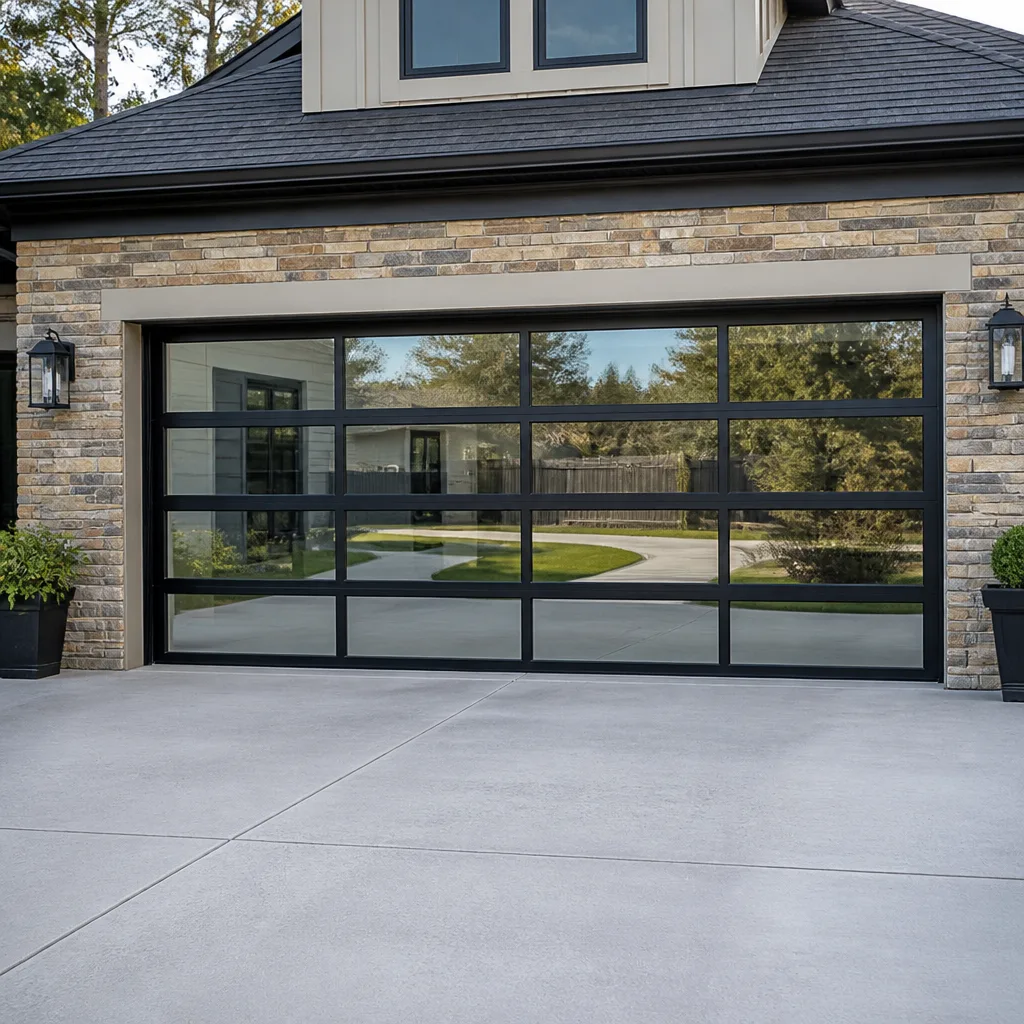 Full-view glass
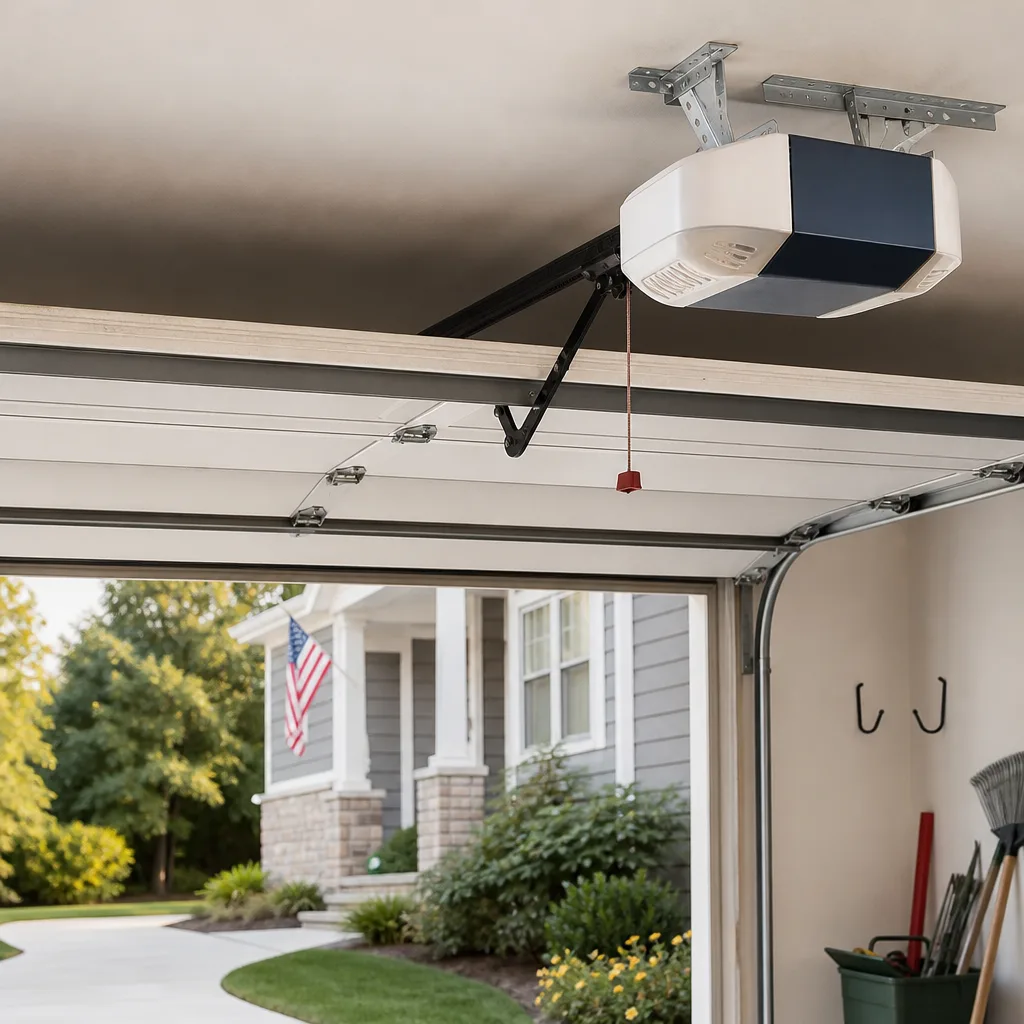 Chamberlain openers
Full 25-point door and opener safety check with every visit - springs, cables, rollers, tracks, and your LiftMaster or Chamberlain opener included
You get a price before we start. It does not change when the truck arrives.
Get your free estimateSeasonal Garage Door Care for Dallas: Year-Round Homeowner’s Guide
Here’s a counterintuitive fact about Dallas weather: your garage door takes more punishment in April than it does in January. North Texas doesn’t ease homeowners through four gentle seasons. It hits you with two extremes – summer heat that bakes hardware past 140°F and spring storm season that slams doors with hail, wind, and pressure shifts – separated by two narrow windows that are your only practical chance to do preventive work. Miss those windows and you’re fixing things in the worst possible conditions. This guide maps garage door care to the actual DFW weather calendar, so you know exactly what to check in February, what to leave alone in August, and why your opener acts up when Dallas gets a rare hard freeze. For a deeper dive, see our Complete Guide to Garage Door in Dallas.
Styles & brands we work with
Quick Answer
Seasonal garage door care in Dallas means scheduling preventive maintenance twice a year: once in late February or early March before spring storm season arrives, and once in October or early November after summer heat has finished stressing your springs, rollers, and seals. In between, you monitor – especially during July and August, when high heat can warp components and loosen hardware. A typical seasonal tune-up in Dallas runs $85 – $150 for inspection, lubrication, and minor adjustments; spring replacement, if needed, is separate and usually runs $150 – $280 for a torsion spring, parts and labor included.
Table of Contents
- February – March: The Pre-Storm Prep Window
- May – June: The Heat-Prep Window
- July – September: The Monitoring-Only Protocol
- October – November: Post-Summer Recovery Tasks
- December – January: Cold-Snap Readiness for Dallas
- What You Can Safely Do Yourself – and What You Shouldn’t
- Common Mistakes to Avoid
- When to Call a Professional
- Frequently Asked Questions
- The Bottom Line
February – March: The Pre-Storm Prep Window
If you only do one maintenance push per year, do it in late February or early March. Dallas averages more hail events in April than any other month, and severe thunderstorm season runs from mid-March through June. Your garage door is the largest moving object on your house, and when wind hits it broadside during a storm, every loose bolt, worn hinge, and weakened spring takes extra stress. The time to find weak points is before the first squall line rolls through.
What to Inspect in the Pre-Storm Window
Walk through this list in order. It should take about 45 minutes if you’re being thorough:
- Check every hinge and bracket bolt. Over a year, thermal expansion and vibration from daily open-close cycles loosen fasteners. A loose hinge lets the door flex, and a flexing door stresses the panels and track. Tighten anything that wiggles – but use a socket, not an impact driver, and don’t overtighten. You want snug, not stripped.
- Inspect the weather seal along the bottom. That rubber strip at the base of the door is your first line of defense against wind-driven rain, dust, and debris. Dallas storms push water sideways. If the seal is cracked, hardened, or pulled away from the door edge, replace it now. A new bottom seal costs $30 – $60 for the part and takes about 20 minutes to install.
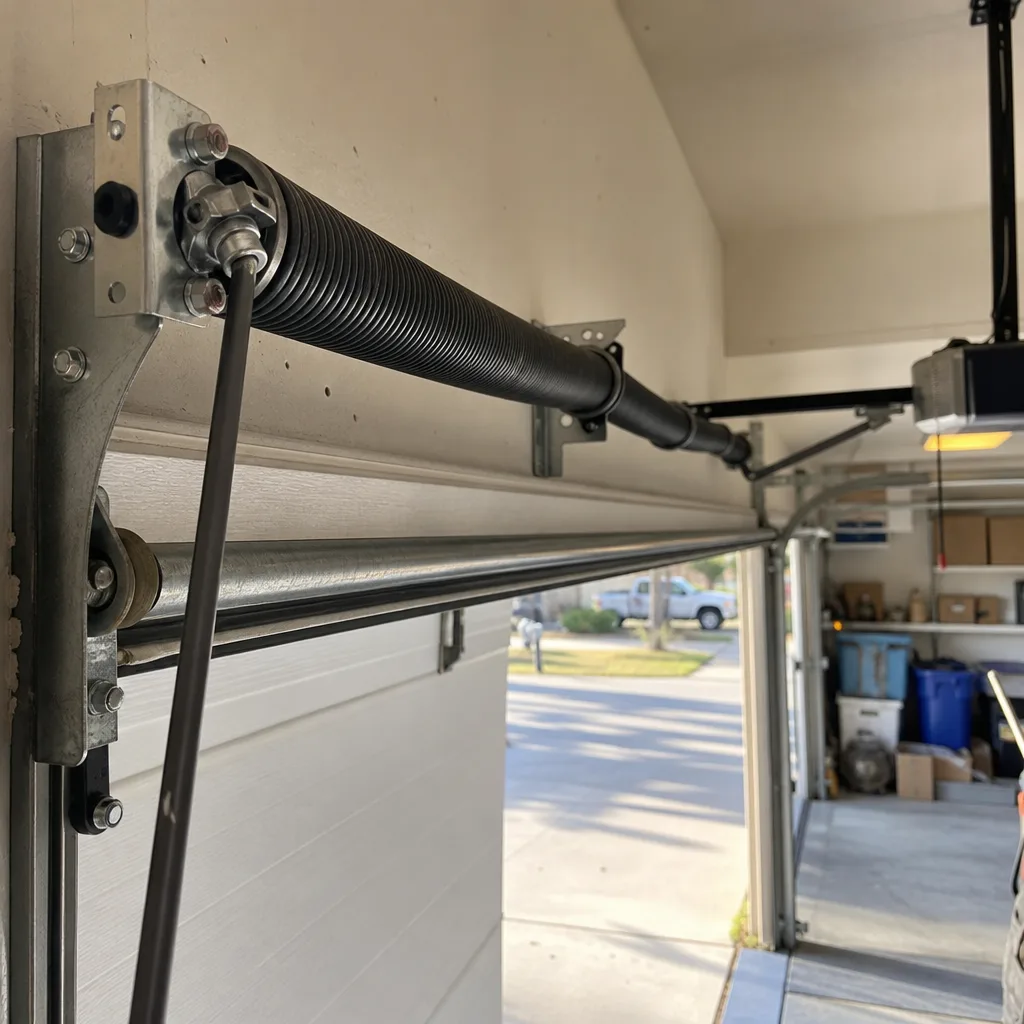
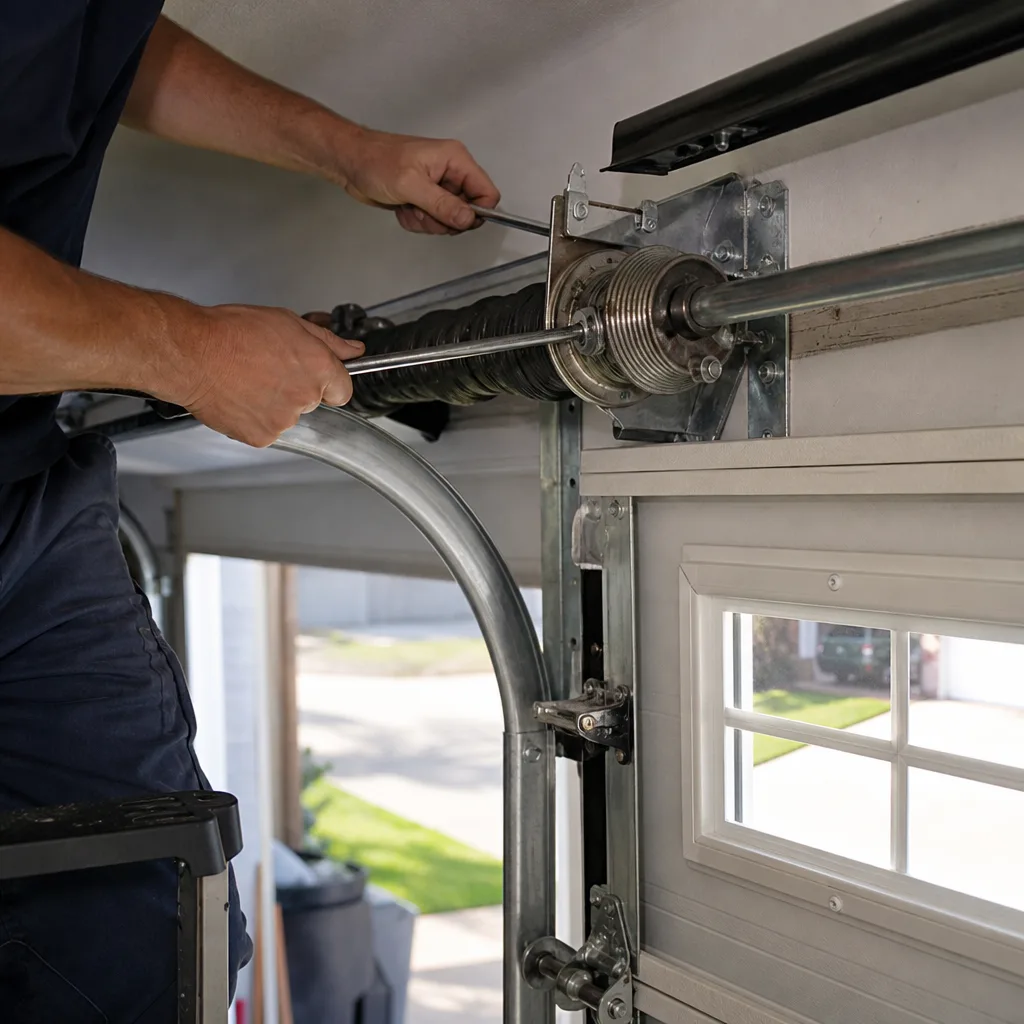
- Look at the torsion spring – the heavy coil mounted above the door. If you see a gap in the coil, the spring is broken. If you see rust, it’s on borrowed time. A spring that breaks mid-storm doesn’t just stop the door from opening; it can send the door crashing down if a cable also fails. Safety note: torsion springs are under hundreds of pounds of tension. Do not attempt to replace or adjust one yourself. This is a job for a trained professional with the right winding bars and experience.
- Test the auto-reverse function. Place a 2×4 flat on the ground under the door’s path and close the door. It should reverse within two seconds of contacting the board. This is a federal safety requirement for all openers manufactured after 1993. If it fails, call a technician – this is not a “wait and see” item.
- Watch and listen to a full open-close cycle. Stand to the side, not under the door. Look for jerky movement, hear for grinding or squealing, and note whether the door pauses or struggles at any point. These are early warning signs of wear that’s cheaper to fix now than after a storm finds the weakness.
In our experience serving Dallas homeowners, the most common pre-storm failure point is the bottom seal, simply because it degrades silently. Homeowners don’t notice until a July thunderstorm blows water under the door and across the garage floor. February is the month to replace a questionable seal, not July.
May – June: The Heat-Prep Window
By mid-May, Dallas is consistently hitting 90°F, and your uninsulated garage can run 20 – 30 degrees hotter than the outside air. The heat affects different door systems in different ways, which is why this window matters for preparation rather than just monitoring. You want to set things up correctly before the sustained 100°F days of July and August arrive.
Lubricant Selection for High-Temperature Operation
Not all garage door lubricants behave the same when temperatures climb. Cheap multipurpose sprays break down into a sticky, dust-attracting film above 100°F, which then gunks up rollers and hinges. What you want is a lithium-based or silicone-based lubricant specifically formulated for garage doors. These stay stable at high temperatures and don’t attract the fine North Texas dust that coats everything in summer.
Here’s the Dallas-specific sequence for heat-prep lubrication:
- Wipe each roller stem and hinge pin with a clean cloth to remove old lubricant and dust buildup.
- Apply a small amount of lithium grease to each hinge pivor and roller bearing. Less is more – you’re lubricating, not coating.
- Run the door through two full cycles to work the lubricant in, then wipe away any excess that squeezes out.
- Do not lubricate the track itself. The rollers roll on the track; they don’t slide. Grease on the track turns into a sticky mess that catches dust and causes the door to bind. If your tracks look dirty, clean them with a dry cloth. That’s all they need.
Check the Bottom Seal Integrity Before Summer
Your bottom seal doesn’t just keep water out – it keeps cooled air in. If your garage is attached to your home and you store anything temperature-sensitive there, a failed seal means your air conditioner works harder. The heat of summer makes existing cracks worse, so check the seal again in late May. Look specifically at the corners, where the seal bends as the door closes into place. Corner splits are the most common failure point.
Extension Springs vs. Torsion Springs in Heat
If your door uses extension springs (the long springs that stretch along the track on each side of the door), pay extra attention in the pre-summer window. Extension springs work under linear tension and are more exposed to the garage environment than torsion springs, which are typically mounted on a shaft and more contained. Heat doesn’t directly break extension springs, but it accelerates metal fatigue in springs that are already worn. Listen for a spring that sounds “tired” – a dull twang rather than a clean sound when the door cycles. If one extension spring looks stretched or sagging compared to its partner, both should be replaced together.
Torsion springs are slightly more heat-tolerant because they’re typically mounted higher in the garage where heat is less concentrated. But the rule stands: if you see rust, separation, or a visible gap in the coil during your May check, schedule replacement before the hottest stretch of summer, not during it.
July – September: The Monitoring-Only Protocol
Here’s the counterintuitive part: during the hottest months in Dallas, the best maintenance is restraint. Metal expands in extreme heat. Bolts that you tighten in July will be loose again by October – not because they failed, but because the metal relaxed back to its original position. Over-tightening in peak heat risks stripping threads or stressing components that are already at their thermal limit.
So your July – September protocol is watching, not wrenching:
- Watch for slowing. If the door takes noticeably longer to open or close than it did in June, heat may be affecting the opener’s motor. LiftMaster and Chamberlain openers have thermal protection built in – they’ll slow down rather than burn out. If you see significant slowing, give the opener a rest period and monitor. If it persists into cooler weather, call a technician.
- Watch for heat-related seal warping. Extreme heat can cause cheap vinyl seals to warp or pull away from the door edge. If you replaced your seal in February with quality material, you should be fine. If the seal is old, check it once a week during heat waves.
- Listen for grinding. Heat dries out lubricant faster. If you hear metal-on-metal squealing in August, the lubrication from May is wearing thin. You can add a small amount of lubricant, but be selective – only hinges and roller bearings, never the track.
- Leave the tracks alone. Track alignment that looks slightly off in July is often just the metal expanding. Unless the door is visibly binding or jumping the track, don’t loosen and re-align tracks in peak heat. That’s a fall job.
The practical reason behind this protocol is experience. We’ve been called out in August to “fix” problems that were really just thermdynamics. A door that works fine at 9 a.m. and binds at 4 p.m. is likely dealing with track expansion, not structural failure. Wait for the fall recovery window to address alignment issues. If the door binds severely or comes off the track, call us immediately – that’s an emergency, not a monitoring situation.
October – November: Post-Summer Recovery Tasks
Once Dallas cools into the 70s and 80s – usually by mid-October – you enter the second practical maintenance window of the year. This is the time to undo summer’s damage and set the door up for the brief winter season.
Assess Roller Wear Accelerated by Heat
Summer heat cycles are brutal on nylon and steel rollers. Nylon rollers with exposed ball bearings dry out faster; steel rollers wear against the track more aggressively when everything runs hot. By October, you’re looking at real accumulated wear. Rollers that show flat spots, wobble when spun, or sound scratchy during operation should be replaced. A full set of quality nylon rollers runs $40 – $90 for parts, plus labor if you have a technician do it. Rollers are a wear item – they’re designed to be replaced periodically, not to last the life of the door.
Realign Tracks That Shifted with Foundation Movement
Dallas soil is notorious for movement. The clay-heavy soil expands when wet and contracts dramatically in dry conditions, which means foundations shift slightly through the year. This micro-movement transfers to your garage door tracks. Over a summer of dry, contracting soil, tracks can inch out of alignment. By fall, you may see:
- The door rubbing against one side of the opening
- Uneven gap between the door edge and the frame when closed
- A slight scraping sound during the middle of the travel cycle
- Visible gaps between the track and the wall bracket
Track realignment is moderately involved work. Minor adjustments – loosening the track bolts, repositioning, and re-tightening – are within reach of a careful DIYer. But if you see significant misalignment or if the door has jumped the track, that’s a professional call. Not sure which path fits? Our DIY vs Professional Garage Door guide breaks down the decision for Dallas homeowners. A misaligned track under tension from a torsion spring is dangerous to work on without the right tools and training.
Check the Springs Again
Springs that survived the summer are still worth a look in October. Cold weather makes springs slightly more brittle, so a spring with a hairline crack from summer stress is more likely to fail once temperatures drop. Look for:
- Visible gaps in the coil (broken spring)
- Rust or corrosion that’s new since May
- Uneven gaps between coils on a two-spring system
If you catch a weakening spring in October, you replace it in pleasant weather. If you miss it, you’re calling a technician during a January cold snap when the door won’t open at all. For context, most torsion-spring replacements in Dallas run $150 – $280, parts and labor included. That’s a known cost, quoted before the work starts. The 365-Day Done Right Promise from Bramwell Garage Door Spring Repair in Dallas means if that replacement fails within a year, we come back and fix it at no charge – in writing, not just said at the door.
December – January: Cold-Snap Readiness for Dallas
Dallas winters are mild by national standards, but the city does experience hard freezes – most notably the February 2021 and December 2022 events that caught homeowners off guard. Cold weather creates a specific set of garage door problems that don’t exist in warmer months, and most of them trace back to the opener.
Why Cold Snaps Cause Limit Switch Malfunctions
The limit switch is the component inside your opener that tells the motor when the door has reached its fully open or fully closed position. It’s an adjustment point, typically a small dial or screw on the opener unit. When temperatures drop quickly, three things happen:
- The metal track, door rails, and hardware contract slightly, changing the physical geometry of the system.
- The lubricant thickens, increasing resistance as the door travels.
- The door’s weather seal stiffens, making the first few inches of lifting harder.
Any one of these can cause the opener’s motor to sense more resistance than normal, which trips the safety cutoff and stops the door mid-travel. In our experience, this is the most common Dallas cold-weather call we receive: “The door stops halfway and reverses.” That’s the limit switch and force settings reacting to conditions they weren’t calibrated for.
What to Do When the Door Stops Halfway
- Check the obvious physical obstruction first. Ice at the base of the door, a stiff seal catching the threshold, or debris in the track will all cause the same symptom.
- If the area is clear, pull the emergency release cord – usually a red cord hanging from the opener rail – and try opening the door manually. If it’s heavy or won’t move, the spring may have failed, not the opener. Call a professional.
- If the door moves manually and balances reasonably well, the issue is likely in the opener’s settings. You can try running the opener once more after the manual cycle. If it still fails, the force and limit settings need adjustment.
Adjusting opener force settings is a moderate-DIY task, but it’s easy to misadjust and create a door that reverses at the wrong time or fails to stop at the floor. If you’re not certain, a technician can tune it in under an hour. Most opener adjustments in Dallas run $75 – $125. This is a common issue, not a catastrophic one – but it is a repair best done by someone who has adjusted hundreds of these systems.
Prep That Actually Helps Before a Freeze
You can reduce cold-snap failures before they happen:
- Lubricate the seal in late fall. A thin coat of silicone lubricant on the bottom seal keeps it flexible and prevents it from freezing to the concrete.
- Keep the opener’s force settings slightly conservative. A door that closes with moderate force in summer may need a touch more in winter. This is a small dial adjustment on most LiftMaster, Chamberlain, and Genie units.
- Remove ice from the base of the door before operating. Ice that’s frozen the seal to the driveway will tear the seal when the opener forces the door up. Break the ice seal first.
- Lubricating hinges, rollers, and springs with a quality garage door lubricant
- Tightening loose hinge and bracket bolts (when the spring is intact and the door is not under unbalanced tension)
- Replacing the bottom weather seal
- Cleaning the track and wiping down photo-eye sensors
- Testing the auto-reverse function monthly
- Monitoring for changes in sound, speed, or balance
- Torsion spring removal, replacement, or adjustment. These springs hold hundreds of pounds of stored tension. A spring released incorrectly can cause serious injury – this is not hyperbole. We use proper winding bars, follow specific procedures, and know how to safely de-tension a spring before touching it. This is the single most dangerous component in your garage door system.
- Cable replacement. The lift cables work with the springs to carry the door’s weight. When a spring or cable fails, the other components are often holding unexpected tension. Cable work is not a DIY job.
- Track removal or major realignment. If the track has pulled away from the wall or the door has jumped the track, the door is unstable. Don’t work under or near it.
- Opener replacement with new mounting and wiring. Modern openers have more electronics than older models. A misrouted wire or improperly mounted rail creates safety issues.
- Skipping the February prep because “the door works fine.” Every failed door worked fine right up until it didn’t. The pre-storm window is when preventive work is cheap and weather is cooperative. Waiting until something breaks means fixing it during a storm or heat wave.
- Lubricating the track. This is the most common mistake we see in Dallas garages. The track is a rolling surface, not a sliding surface. Grease and oil on tracks turn into a dust-catching abrasion paste. Lubricate the rollers, hinges, and springs – never the track itself.
- Using WD-40 on garage door components. WD-40 is a water displacer, not a lubricant. It evaporates quickly, leaves a thin residue that attracts dust, and provides almost no lasting lubrication. Use lithium or silicone garage door lubricant.
- Overtightening bolts in summer. Heat expands metal. Bolts tightened to “snug” in July get overstressed when temperatures drop and the metal contracts. Do your tightening in spring and fall, not peak summer or winter.
- Replacing one spring on a two-spring system. If one torsion spring breaks, the other is nearly always at the end of its service life too. Replacing only one creates an unbalanced door that cycles unevenly and wears out the new spring faster. Always replace springs in pairs.
- Disconnecting the opener and forcing the door manually when it’s binding. A door that’s genuinely stuck is stuck for a reason – usually a broken spring or a track issue. Forcing it risks damaging the panels, the track, or yourself.
- Ignoring slow operation as “normal wear.” A door that gradually slows over weeks is telling you something. It may be an opener motor on its way out, a spring losing tension, or rollers grinding. Addressing the cause early is cheaper than waiting for the failure.
None of this turns Dallas into Minneapolis. But a little pre-freeze prep prevents the most common January service call we see.
What You Can Safely Do Yourself – and What You Shouldn’t
We’re homeowners too. We understand wanting to handle basic maintenance without a service call. Here’s an honest breakdown of where the line sits, with typical 2026 Dallas garage door costs so you can plan ahead.
Safe for Most Homeowners
Leave to a Professional
If you’re ever unsure, the safest approach in Dallas is to call for a professional evaluation. Bramwell Garage Door Repair in Dallas offers free estimates, and a technician can tell you definitively whether a component is safe or needs replacement – without any obligation to proceed.
Common Mistakes to Avoid
When to Call a Professional
Some situations shouldn’t wait for the next seasonal window. Call a Dallas garage door technician if you notice a visible gap in the torsion spring coil, the door crashes down or won’t stay in the open position, the door comes off the track, the opener makes noise but the door doesn’t move, or the auto-reverse function fails. These are safety issues, not maintenance items. If a cable is frayed or hanging loose, keep everyone away from the door and call immediately – the remaining spring tension makes that an unstable system. Bramwell Garage Door Installation in Dallas and repair services operate with a live person answering the phone 24/7, so you won’t get a voicemail tree when you need help. Bramwell Garage Doors Dallas offers free estimates in Dallas – call (361) 240-9428.
Frequently Asked Questions
Twice a year is the right cadence for Dallas – once in late February or March before storm season, and once in October or November after summer heat has finished stressing the system. Between those windows, a monthly visual check plus testing the auto-reverse function is sufficient. Most seasonal tune-ups in Dallas run $85 – $150 for inspection, cleaning, lubrication, and minor adjustments. Call (361) 240-9428 for an exact quote – estimates are free.
Most torsion spring replacements in Dallas run $150 – $280 for a standard residential door, parts and labor included. Extension spring replacements typically run $100 – $200 for the pair. The price depends on the door’s weight, spring size, and whether you’re replacing one or both springs. At Bramwell Garage Doors Dallas, the price is quoted and agreed upon in writing before any work starts, so the invoice matches the number you heard. Call (361) 240-9428 for a specific quote.
Yes. For broken springs, doors off track, and opener failures, Bramwell Garage Doors Dallas offers same-day service in most cases, and a live person answers the phone 24/7 to schedule it. Our technicians arrive in uniform within the stated arrival window, not whenever traffic allows. Call (361) 240-9428 and you’ll speak to a person, not a recording.
No. The written quote you receive before work begins is the price you pay. If a technician discovers something unexpected during the job, they will stop and discuss it with you before any additional work proceeds. That’s the Kingswell Guarantee standard – a written price before any work starts, on every job, without exception. We’ve been operating under this standard since 2001.
Yes. Our service vehicles carry the most common parts for Dallas garages: torsion springs in multiple sizes, extension springs, bottom seals, rollers, hinges, cables, and opener components for major brands like LiftMaster, Chamberlain, Genie, and Clopay. Most repairs are completed in a single visit. Call (361) 240-9428 and describe your issue – we’ll tell you if it’s a standard truck-stock repair or something that needs a second visit.
Cold snaps cause the metal track, door hardware, and weather seal to contract and stiffen, which increases the force needed to open the door. Your opener’s limit switch and force settings were likely calibrated in warmer conditions. When the resistance exceeds the setting, the opener stops midway and reverses as a safety response. A quick adjustment by a technician resolves most cases. Call (361) 240-9428 – we can usually schedule this same day.
The Bottom Line
Dallas doesn’t ask much of your garage door – it just asks at the wrong times. By working with the weather calendar instead of against it, you can concentrate your effort in February – March and October – November, keep a light touch during the hottest months, and understand why cold snaps cause those mid-travel stops. Most seasonal problems are predictable: worn seals, dried lubricant, loosening hardware, heat-stressed rollers, and opener settings that need rebalancing. Catch them in the prep windows and they’re $30 – $150 fixes. Miss them and they become emergency calls. If you want a professional second opinion, Bramwell Garage Doors Dallas home offers free estimates, written pricing before any work begins, and a 365-Day Done Right Promise on every repair. That’s been our standard since 2001, and it’s in writing on every job.
Written by Marcus Ellery, Owner at Bramwell Garage Doors Dallas, serving Dallas since 2001. Browse more guides & resources on garage door care.
See the difference
 Before
 After
After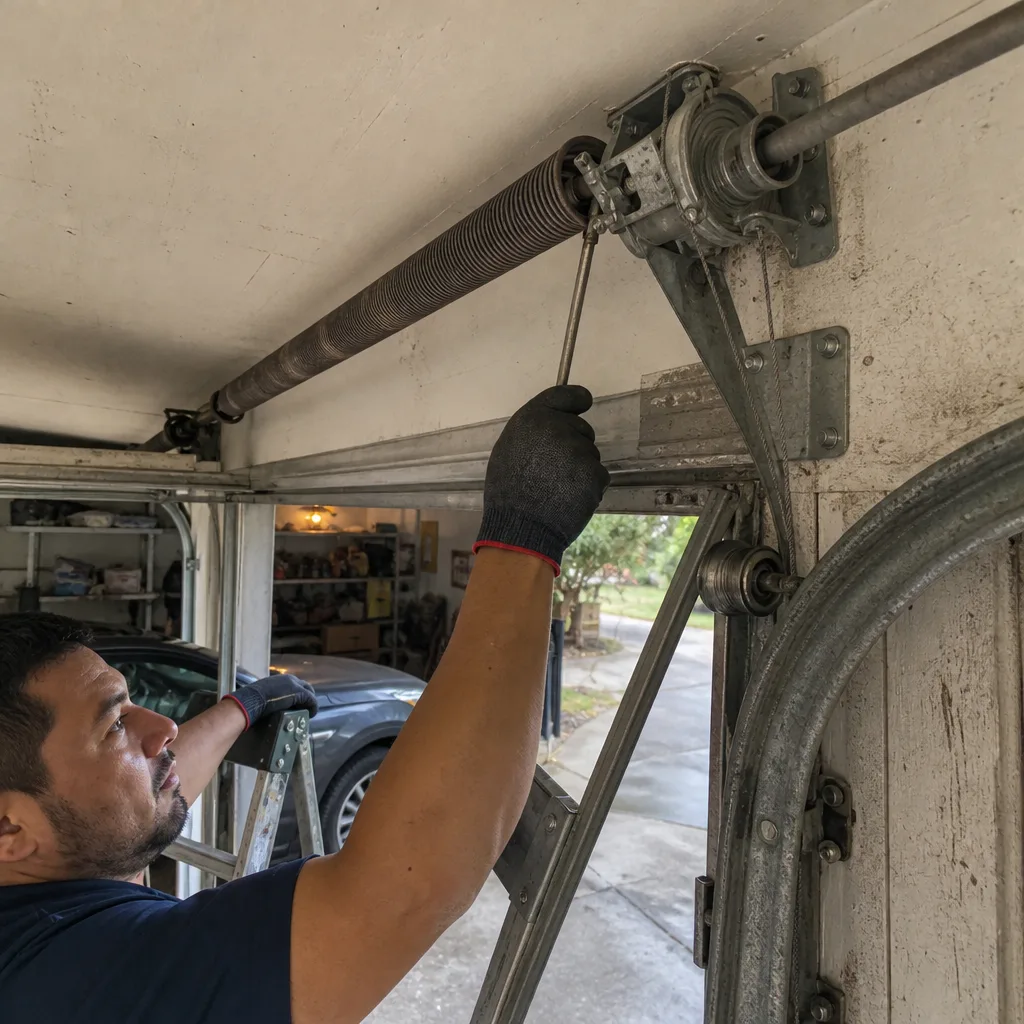 Before
 After
After Before
 After
After