
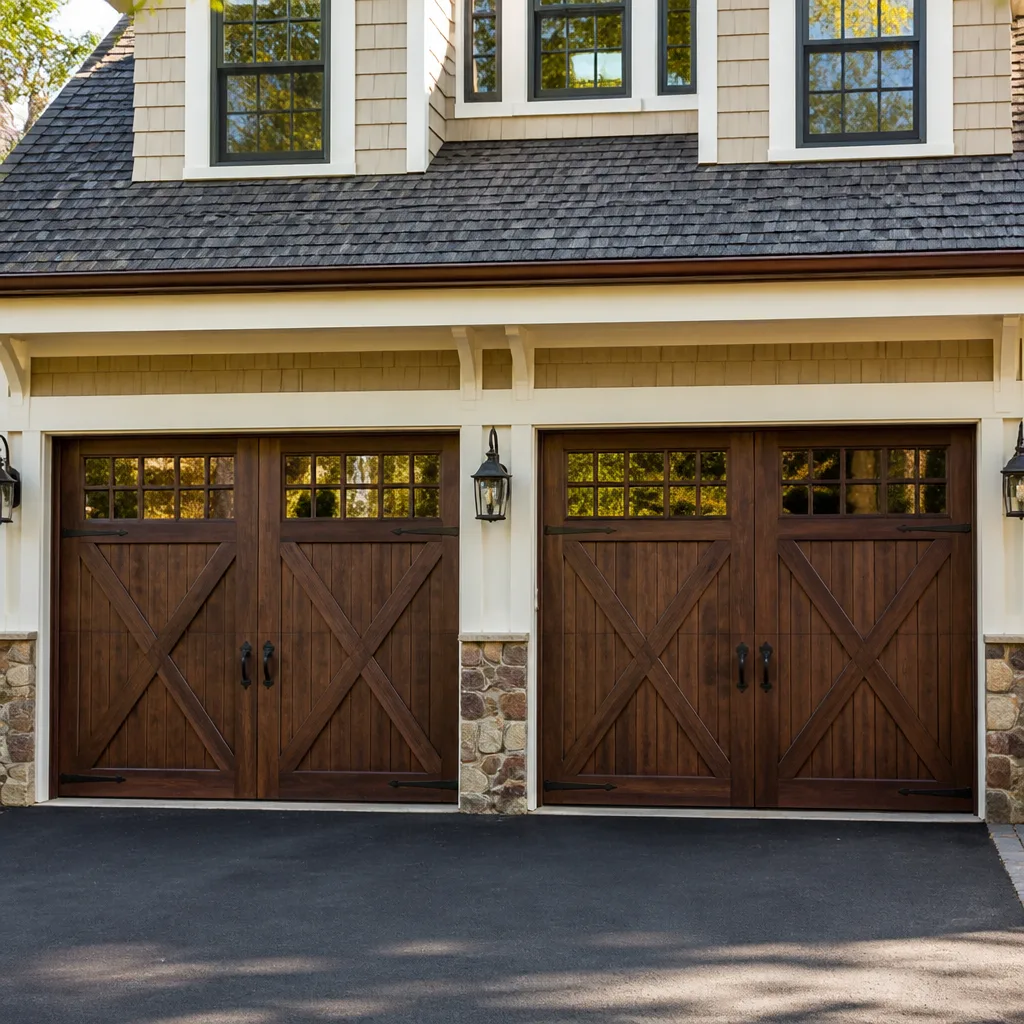
 Carriage house
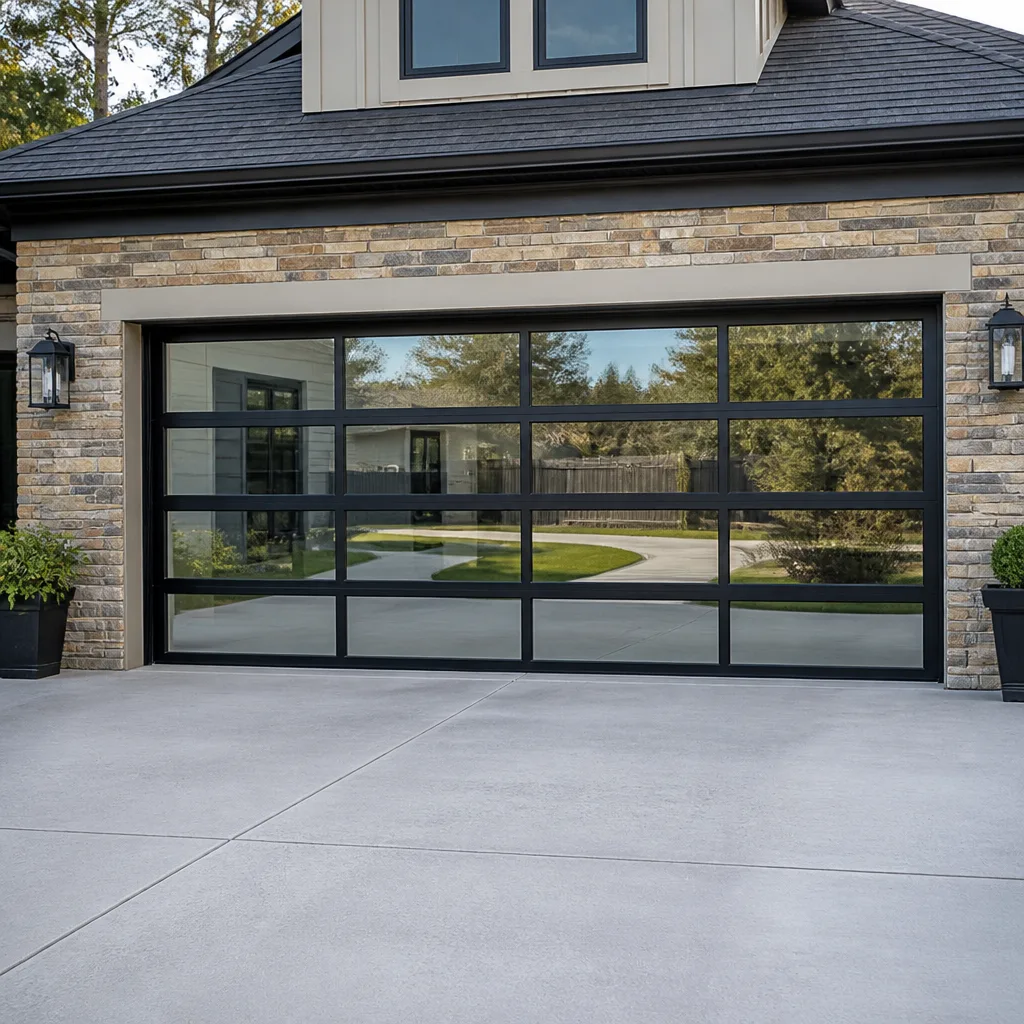 Full-view glass
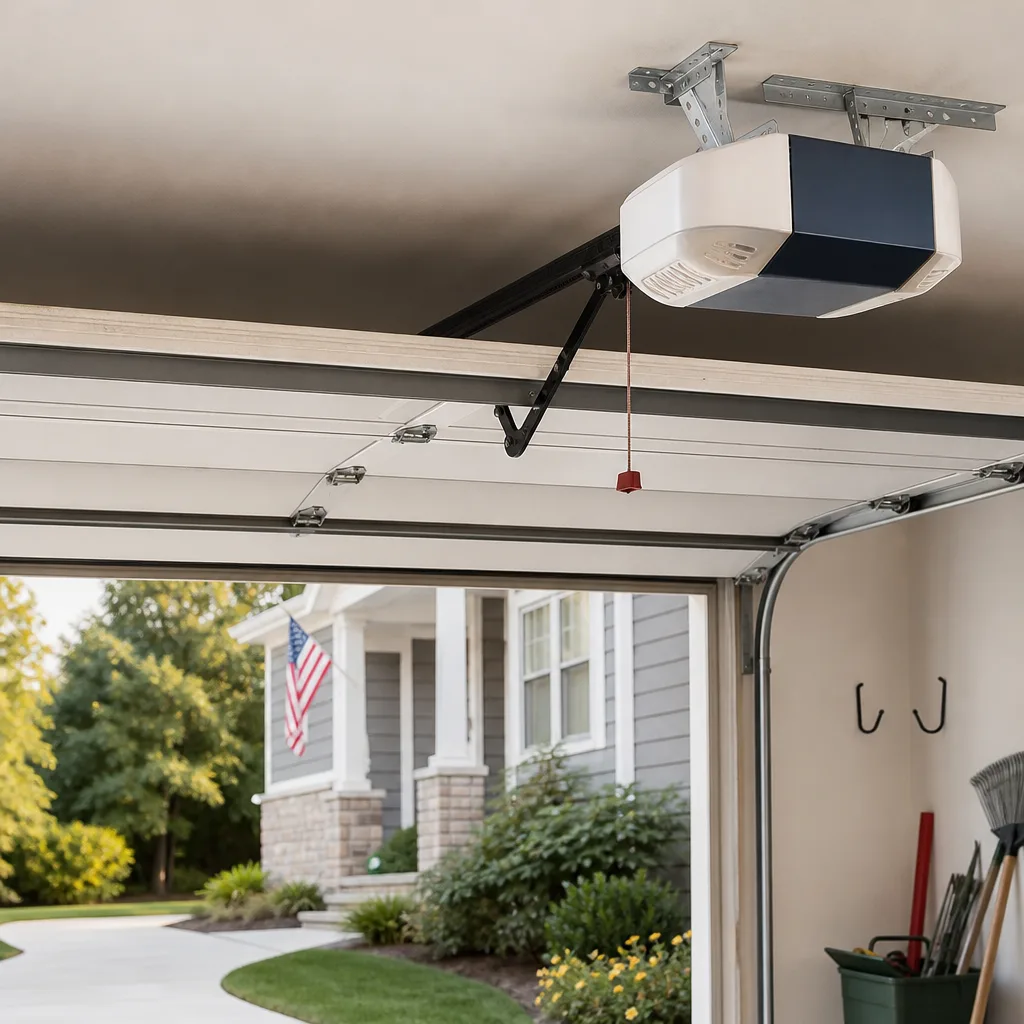 Chamberlain openers
Full 25-point door and opener safety check with every visit - springs, cables, rollers, tracks, and your LiftMaster or Chamberlain opener included
You get a price before we start. It does not change when the truck arrives.
Get your free estimateRaynor Weather Seal Replacement: The Dallas Owner’s Guide
Raynor weather seal replacement in Dallas typically runs $110 to $220 installed, and we stock the common profiles on our trucks so most jobs are done in a single visit. The weather seal is the rubber strip along the bottom of your garage door, also called the bottom seal or astragal. It’s the first line of defense between your garage floor and everything Dallas throws at it: rain, dust, June heat, and the occasional field mouse looking for shade. Most people discover theirs has failed after a storm, when they see water pooling under the door or daylight showing through a gap that used to be tight.
We won’t keep you here longer than you need. Below is exactly what this part does, which Raynor doors it fits, what it costs to replace in Dallas, and whether it’s worth doing yourself.
Which Raynor Models This Applies To
Raynor has used a few different bottom seal designs over the years, and the wrong one won’t seat properly no matter how hard you force it. The most common is the T-style seal that slides into a single slot in the bottom retainer. The retainer is the aluminum channel that runs along the bottom edge of the door. If your door has a single slot centered underneath, that’s the T-style. If it has two slots, you need a bead-style seal, sometimes sold as a dual-bead or U-bead. Newer Raynor models in the Aspen and Mesa lines mostly take the T-style. Some older Relante and Showcase doors used the bead version, and a handful of the older steel commercial-style doors had a nail-on wood retainer that takes a flat-flap seal instead of an insert.
Here’s the compatibility gotcha that trips people up: Raynor’s T-style channel is slightly narrower than the universal seals sold at the big box stores. A universal seal will often go in about three-quarters of the way, then bind, leaving the last two feet loose. We trim ours to the exact channel width before fitting, so it seats the full length of the door.
If you’re not sure which model you have, check the sticker on the end panel or the upper inside face of the door for a model name like Aspen 1580 or Mesa 1480. No sticker? Pull the old seal out an inch and measure the bulb diameter with a tape measure. Most Raynor residential doors use a 3-inch or 4-inch bulb. That measurement tells us everything on the phone.
We are an independent service provider, not affiliated with Raynor. We install both OEM Raynor seals and quality aftermarket equivalents made from matching EPDM rubber. For most residential doors, the aftermarket EPDM seal performs identically and costs less. For odd sizes on older Raynor models, OEM is the safer call.
Styles & brands we work with
Signs Your Raynor Weather Seal Replacement Is Failing
- Daylight under the door. Stand inside with the door closed and look down. If you see light along any part of the bottom edge, the seal has compressed, torn, or pulled out of the retainer. Light means air, which means your garage is now a greenhouse in August.
- Water pooling inside after rain. Dallas gets sudden downpours, and a failed seal channels runoff straight under the door. If you notice a wet band along the inside edge of the floor after storms, the seal isn’t contacting the concrete anymore.
- Rubber chunks on the garage floor. EPDM hardens in Texas heat over time. When it reaches a certain age, it stops flexing and starts breaking off in pieces, usually starting at the corners where stress is highest.
- Draft you can feel at ankle level. In winter, stand barefoot near the closed door. Cold air moving through tells you the seal isn’t compressing against the floor. In summer, the same test works in reverse with hot air.
- Debris and insects getting in. Pine needles, cottonwood seed, mud daubers, earwigs. If you’re finding them scattered inside the garage, they’re walking in under the same gap you could measure with a coin.
Replacement Cost & What’s Included
Raynor weather seal replacement in Dallas runs $110 to $220 installed, parts and labor included. The spread exists because older doors with corroded retainers take more time, and some Raynor models need a specific OEM profile that costs more than the universal stock. Here’s the line-item view:
- Bottom seal (EPDM, aftermarket): $35 – $65 for a standard single-car door
- Bottom seal (OEM Raynor): $55 – $95 depending on series
- Labor to remove old seal, clean retainer, fit new: $75 – $125
- Retainer replacement if corroded: $45 – $75 added
The price we quote is the price on the invoice. That’s the Kingswell Guarantee and it’s on every job we run in Dallas: a written price before any work starts, no door-step changes. The replacement parts are covered by our 365-Day Done Right Promise, which means if the seal fails inside the guarantee period, we come back and fix it at no charge. That commitment is in writing.
See the difference
 Before
 After
After Before
 After
After Before
 After
AfterDIY or Call Us?
Replacing a Raynor bottom seal is not dangerous work, the way a torsion spring is. No high-tension parts involved. But it is fiddly, and most Dallas homeowners learn that the hard way. The seal has to be fed through the retainer channel without stretching it. Stretch it even slightly and it will shrink back over two or three weeks, reactivating the gap you just closed. You also need the channel clean and dry. Years of Texas dust and occasional moisture build up in there, and old rubber residue acts like glue.
What you can do safely: note whether you have one slot or two, measure the bulb width, and clean the door bottom with a brush so we can see what we’re working with. What we see go wrong most often: a universal seal forced into a Raynor channel until it binds, then the homeowner cuts it too short and gets to go buy another one. If you’d rather not spend a Saturday on that, call us at (361) 240-9428 and we’ll bring the right profile, whether it’s the single-slot T-style for your Aspen or a bead seal for an older Showcase. We’re on the road every day across Dallas.
FAQs
A properly fitted seal on a Raynor door lasts 3 to 5 years in Dallas before it’s hardened and split enough to replace. The heat is the bigger killer, not rain. If your door gets full afternoon sun from the west, which many Dallas garages do, count on the shorter end of that range.
If it’s a small tear at one corner less than an inch from the edge, a flexible adhesive can buy you a season or two. Anything more than that, or any cracking along the length, means the rubber is end-of-life and repair attempts just fail again. Call (361) 240-9428 for an honest read.
Most single-door seal replacements at Bramwell Garage Doors Dallas take 30 to 60 minutes from arrival to pulling out of the driveway. If the retainer channel is corroded and needs replacing too, add another 45 minutes to an hour.
Yes. We carry the common Raynor T-style profiles and bead seals in standard lengths, same as we stock parts for LiftMaster, Chamberlain, and Genie openers. If you have an uncommon size, we’ll know on the phone and get it before we schedule the visit.
Call for a Free Estimate
If your Raynor door is letting water, light, or bugs into your garage, tell us what it’s doing and it’s likely the seal at the bottom. We’ll get the right replacement on the truck, show up within the window we gave you, and hand you a written price before touching a tool. Call (361) 240-9428 and a live person answers, day or night. That’s the way we’ve run jobs under the Kingswell standard since 2001, and it’s the way Marcus Ellery runs this crew across Dallas.
Written by Marcus Ellery, Owner, Bramwell Garage Doors Dallas at Bramwell Garage Doors Dallas, serving Dallas and nearby areas.